FreshHierarchy Annotation
In Details
Facebook Connector
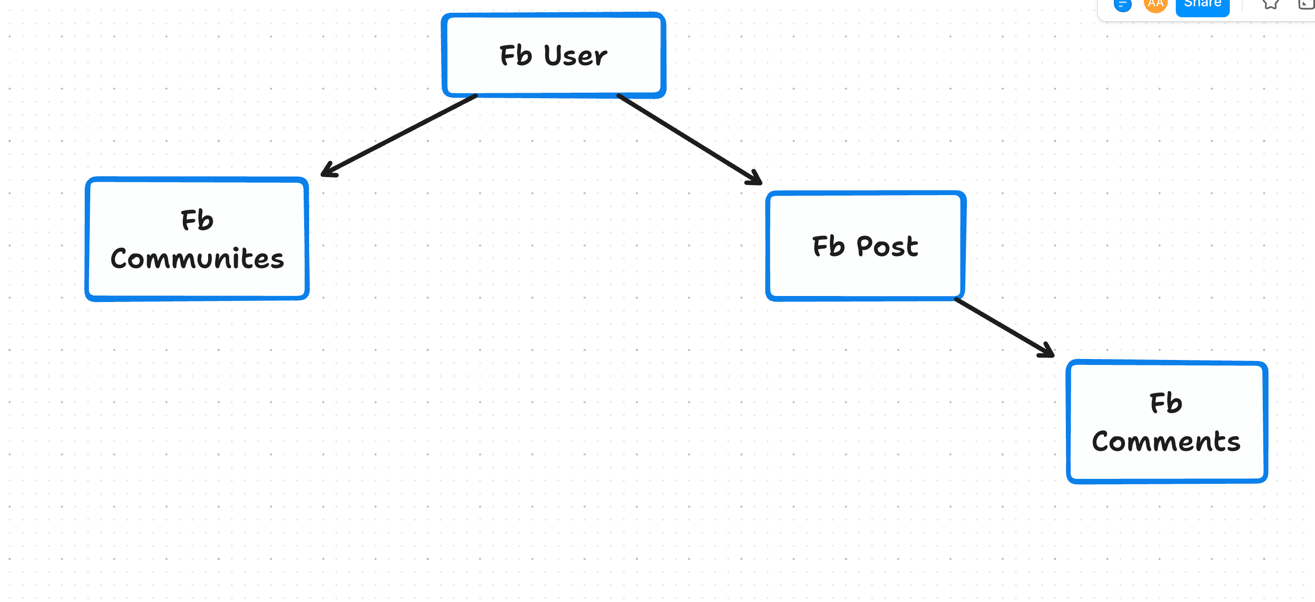
DAG to fetch the data from facebook may look like this based on your use case.
@Slf4j
@FreshHierarchy(parentClass = ParentStep.class, rateLimit = 100, duration = 10)
@Component
@Scope("prototype")
public class FbStepUser extends HttpAbstractStep {

    // Override some methods here
}
Above FbStepUser class (In Hagrid world, we call it step) will represent the FbStepUser DagNode.
Now lets take a look at FbStepPost class
@Slf4j
@FreshHierarchy(parentClass = FbUser.class, rateLimit = 200, duration = 30, ignore = false)
@Component
@Scope("prototype")
public class FbStepPost extends HttpAbstractStep {

    // Override some methods here
}
Above FbStepPost step will present the FbPost DagNode. Take a note of annotation FreshHierarchy which has FbStepUser.class as parent.
By this annotation, Hagrid will internally know that it has to call FbStepPost for each FbStepUser or FbStepPost is the Child of FbStepUser.
@Slf4j
@FreshHierarchy(parentClass = FbPost.class, rateLimit = 800, duration = 120, ignore = false)
@Component
@Scope("prototype")
public class FbStepComment extends HttpAbstractStep {

    // Override some methods here
}
@Slf4j
@FreshHierarchy(parentClass = FbUser.class, rateLimit = 800, duration = 1, ignore = false)
@Component
@Scope("prototype")
public class FbStepCommunity extends HttpAbstractStep {

    // Override some methods here
}
Internally, Hagrid makes sure that it fetches FbStepPost for each FbStepUser and FbStepComment for each FbStepPost.
Understanding @FreshHiearchy Annotation
`FreshHierarchy Annotation annotated on the top of each step and is mandatory. This annotation defines two main important characterstrics of a step 1. Defines Order of the steps 2. Defines rate limit of each steps
Order of the steps
Each step must be annotated with @FreshHiearchy Annotation. This annotation has attribute named parentClass which should be point to some other step class of your connector.
parentClass attribute of the @FreshHiearchy annotation helps Hagrid to internally create a DAG which it uses to execute it step in the right order
For example - if we take an example of our facebook connector then FbStepPost will have FbStepUser and FbStepComment step will have FbStepPost step. Thus Hagrid knows that it should call FbStepUser and for each user fetched, it should call FbStepPost and for each post fetched for fetched user, it should call FbStepComment
Rate Limit of the step
@FreshHierarchy annotation provides another important attribute rateLimit and duration in seconds. rateLimit defines how many API calls or commands should be executed in how much duration. Here duration refers in seconds.